 0458134219



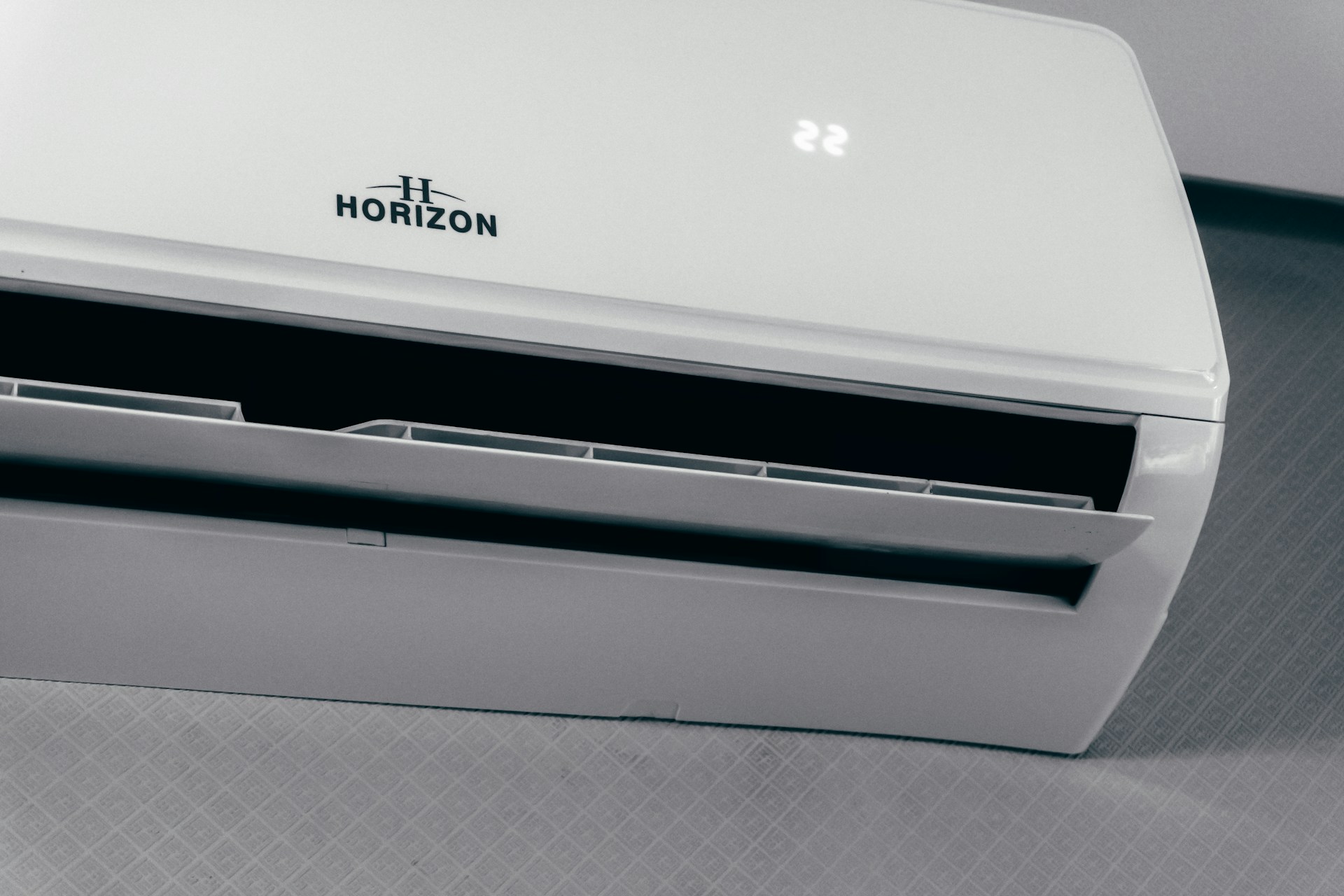
Hydro chemical aircon cleaning is a specialised process that goes well beyond routine filter washing or a quick surface wipe. In humid, dusty places like Darwin, mould, dust and grease can build up fast. This method uses water paired with purpose-made cleaning chemicals to loosen and remove that grime, safely and thoroughly.
Rather than stopping at the accessible bits, hydro chemical cleaning targets internal components that routine treatments miss, such as the evaporator coil, blower assembly and drainage channels. Not every fault is dirt-related, but when standard cleaning fails to restore airflow or cooling, a deeper clean often brings the system back to good working order.
Understanding Hydro Chemical Aircon Cleaning
What Is Hydro Chemical Cleaning?
Hydro chemical cleaning uses a water-based chemical solution designed to penetrate and soften hardened deposits inside an air conditioner. The solution is given time to work, then a controlled pressure rinse removes the loosened grime. Technicians carefully collect the wastewater, preventing mess or damage to the home.
Why It Goes Beyond Simple Cleaning
Most DIY jobs or routine services stick to visible surfaces and filters. Hydro chemical cleaning reaches the deposits you cannot see, mould and grease trapped in coils and ducts, that reduce airflow and cooling efficiency. It targets internal parts where dirt is hardest to remove, such as the evaporator coil and blower wheel, so it works where superficial cleaning does not.
Comparing Cleaning Options: Filter Clean, Routine Service, and Hydro Chemical Clean
Scope of Each Cleaning Type
- Filter Clean: Remove and lightly wash accessible filters to improve air quality and basic airflow.
- Routine Service: General inspection, lubrication, cleaning of visible parts, and performance checks.
- Hydro Chemical Clean: Intensive chemical cleaning plus pressure rinsing of indoor components and some outdoor parts.
Purpose and Appropriate Situations
- Filter Clean: Recommended every few months for regular upkeep.
- Routine Service: Performed annually or biannually to assess functionality and conduct standard maintenance.
- Hydro Chemical Clean: Suggested when persistent dirt reduces system efficiency or after exposure to very dusty or humid conditions, like those in Darwin.
Quick Comparison Table
| Cleaning Type | Scope | Purpose | When to Use |
|---|---|---|---|
| Filter Clean | Filters only | Maintain airflow and indoor air quality | Every 3–6 months |
| Routine Service | Filters, visible components and performance checks | General upkeep | Annually or as needed |
| Hydro Chemical Clean | Evaporator coil, blower and drains | Deep-clean the system to restore performance | When problems persist after routine servicing |
The Hydro Chemical Aircon Cleaning Process Step By Step
Initial Inspection and Isolation
A qualified technician starts with a close inspection to assess how much dirt has built up. The technician isolates the power for safety before starting any work.
Protecting Walls, Floors and Furnishings
Drop sheets and plastic guards protect walls, floors, and belongings from splashes. This keeps the work area clean and the house undamaged.
Accessing and Dismantling Components
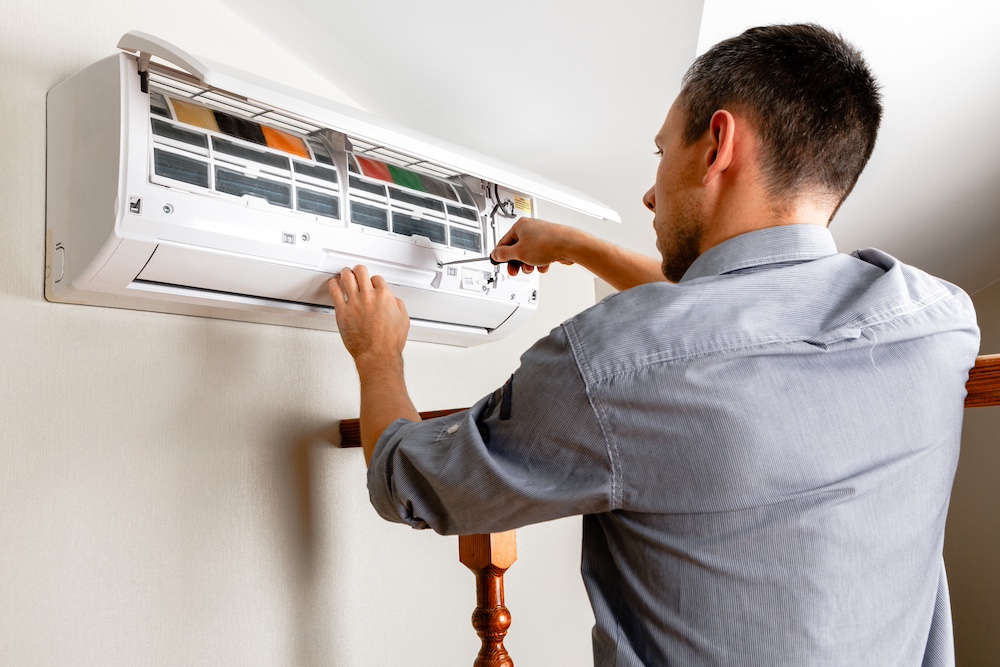
Technicians carefully remove panels and filter baskets to expose internal components. This provides access to the evaporator coil, blower wheel, and drainage areas for a thorough clean.
Applying the Cleaning Solution
Technicians apply a biodegradable cleaning agent using specialised tools. The solution coats the coils, blower wheel, and drainage surfaces, breaking down mould, grease, and organic matter.
Controlled Pressure Rinse and Wastewater Management
Low-pressure water jets rinse off the cleaning solution. Trays and vacuum equipment collect the wastewater so nothing spills into the room.
Reassembly and Operational Testing
Once cleaned, technicians reinstall the parts and test the air conditioner to confirm it runs smoothly and efficiently.
Indoor Components Typically Cleaned in a Split System Hydro Clean
Filters and Evaporator Coil
Filters trap surface dust, but the evaporator coil often holds the worst deposits, grease and mould that reduce cooling ability. Hydro cleaning reaches and treats the coil directly.
Fan/Blower and Louvres
Debris on the blower wheel and fan housing can choke airflow. Cleaning these parts clears airflow paths. We also wipe louvres to help air move where it should.
Drain Pan and Accessible Drainage Areas
The condensate drain pan and accessible drain channels are cleaned thoroughly to prevent blockages that lead to leaks and mould.
Outdoor Components Included in Hydro Chemical Cleaning
Condenser Coil and Cabinet Cleaning
Some services include the outdoor condenser coil and its cabinet. Removing dust and organic matter here improves heat exchange and helps the system run with less strain.
Debris Removal Around Outdoor Unit
Technicians clear leaves, dirt and other debris from around the outdoor unit to ensure proper ventilation and reduce the chance of problems.
Signs That Indicate a Deeper Air Conditioner Clean Is Needed
Persistent Musty Smell
A lingering damp or mouldy odour after a standard clean usually means contamination deeper in the unit, such as the coils or drains.
Visible Dirt and Grime
If you can see build-up on fan blades, coils, or inside the unit, routine filter maintenance isn’t enough.
Weak Airflow and Recurring Drainage Issues
Poor airflow despite clean filters, or repeated drainage problems, often point to internal blockages that need a deeper clean.
Reduced Cooling Performance After Filter Cleaning
If cooling performance is still poor after filters and general maintenance, a hydro-chemical clean and a professional inspection are recommended.
What Hydro Chemical Cleaning Cannot Fix
Refrigerant Leaks and Faulty Components
Refrigerant leaks, compressor failures and other mechanical faults need repair, not cleaning.
Electrical Faults and Incorrect System Sizing
Wiring issues or an air conditioner that is the wrong size for the space require specialist servicing and adjustments.
When Fault Finding and Repairs Are Required
Cleaning can improve performance, but ongoing malfunctions require experienced technicians to diagnose and repair mechanical or electrical problems.
FAQs About Hydro Chemical Aircon Cleaning
Typically between 1.5 and 3 hours, depending on the size and complexity of the system.
Protective coverings shield walls, floors and furnishings. Wastewater containment tools prevent spills and damage.
Split-system air conditioners are the most common candidates. Units with restricted access may need customised approaches.
No. Servicing covers inspection and routine upkeep. Hydro chemical cleaning focuses on deep internal cleaning to remove stubborn deposits.
Get Professional Assessment and Cleaning with Chillin NT
If your air conditioner has reduced airflow, a persistent musty smell, or declining cooling despite regular maintenance, a hydro chemical aircon clean with Chillin NT can help restore performance. Our technicians follow a verified cleaning process using tested methods and equipment to clean indoor and outdoor components safely.
Leave a Reply