 0458134219


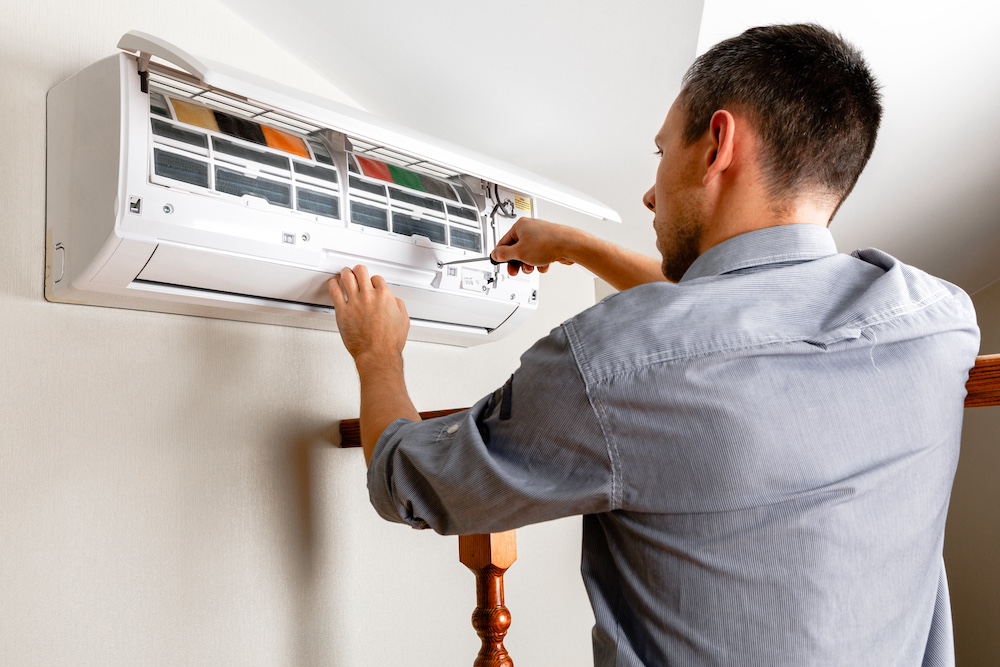
As Darwin’s tropical wet season approaches, a little preparation can go a long way. Higher humidity and rising temperatures mean your air conditioner will work harder to keep your home cool and comfortable. Preparing your system before demand spikes can help keep cooling reliable, manage indoor humidity, and reduce the risk of unexpected problems.
This guide provides a clear, practical checklist tailored to Darwin’s climate, along with safety advice and guidance on when to call a professional.
Why Should You Prepare Your Air Conditioner Before The Wet Season?
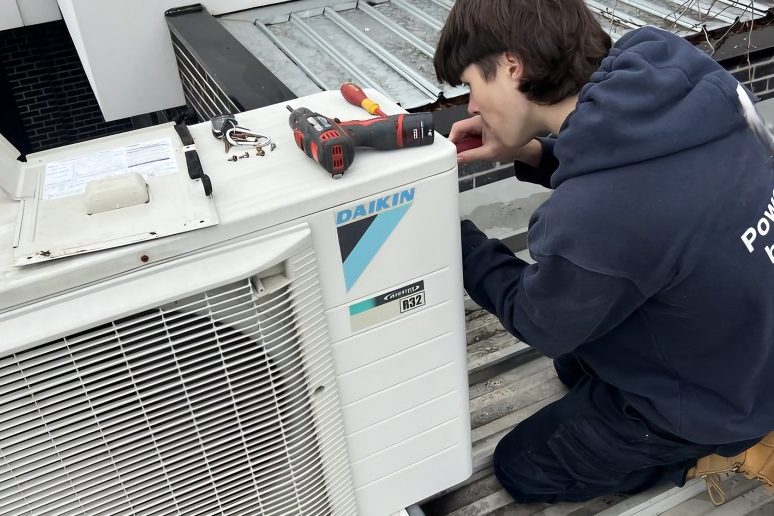
Darwin’s wet season is preceded by the build-up, a period of increasing heat and moisture. Higher humidity means your air conditioner has to remove both heat and moisture from the air, increasing its workload. Early checks can reduce the chance of breakdowns and help your system manage indoor humidity more effectively when it matters most.
The wet season usually runs from October through April, although the timing can vary. Check local weather forecasts and Northern Territory Government seasonal advice each year. Starting maintenance in late September or early October gives you time to identify and address problems before demand increases.
Eight Things To Check Before Darwin’s Wet Season
Test Your Cooling System Early
Turn the unit on and confirm that it cools the room to the set temperature. Testing your system early can help identify performance problems while there is still time to arrange repairs before the busiest period.
Clean Or Replace The Filters
Clogged filters can restrict airflow, reduce efficiency, and make it harder for your air conditioner to manage indoor humidity. Clean or replace filters according to the manufacturer’s instructions to help maintain airflow, performance, and indoor air quality.
Inspect Visible Drainage And Condensate Lines
Blocked drains can cause water leaks and potentially lead to water damage. Check visible condensate trays and drainage lines for debris and make sure water is able to drain away from the unit.
Check For Unusual Odours, Noises And Leaks
Unusual smells, buzzing, rattling, or visible water leaks can indicate electrical or mechanical problems. Identifying these warning signs early gives you an opportunity to have the system inspected before a minor issue develops into a more serious failure.
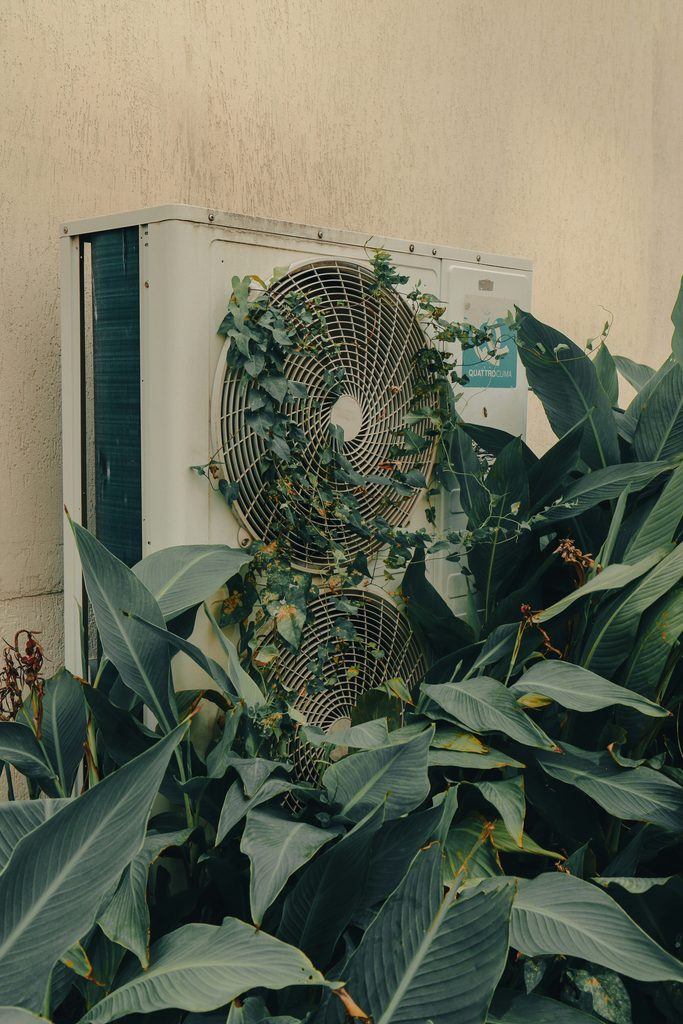
Clear Vegetation Around The Outdoor Unit
Keep the area around the outdoor condenser clear of vegetation and debris. Aim to leave around 0.5 to 1 metre of clear space around the unit where possible. Remove leaves, twigs, and other debris so the outdoor unit can dissipate heat effectively.
Review Your Remote Control Settings
Make sure you are familiar with your remote control’s different modes, including Cool, Dry, Fan, and Auto. Choosing the appropriate setting for your comfort needs can help you manage indoor conditions without putting unnecessary strain on the system.
Review Your Service History
Check your previous maintenance records to see when the air conditioner was last serviced or hydro chemical cleaned. Keeping clear records can give technicians useful information when diagnosing issues and planning future maintenance.
Book Servicing Before Peak Demand
Arrange servicing and cleaning before the wet season begins rather than waiting until your air conditioner starts experiencing problems. Booking early can also help you avoid longer wait times during periods of high demand.
Chillin NT offers professional air conditioning maintenance and cleaning tailored to Darwin’s tropical conditions.
How To Use Your Air Conditioner To Manage Heat And Humidity
Understanding your air conditioner’s different operating modes can help you choose the right setting for changing conditions during Darwin’s wet season.
Cool mode lowers the room temperature directly, while Dry mode is designed to reduce humidity, although its effect can be limited when humidity levels are extremely high. Fan mode circulates air without actively cooling it, while Auto mode adjusts operation based on the system’s sensors.
Remote controls and operating modes can vary between brands and models, so it is important to consult your air conditioner’s manual for specific instructions. Rather than relying on general settings or preset temperatures, follow the manufacturer’s recommendations for your particular system.
How To Check Your Outdoor Unit And Drainage System
Do not attempt electrical repairs, remove exterior panels, or access hazardous areas such as roofs. These tasks should be left to qualified technicians for safety and to help protect your equipment and warranty.
The outdoor condenser needs adequate airflow to release the heat removed from inside your property. Remove leaves, dirt, and other debris from the unit and its surrounding area. Keeping the area clear can help the system operate efficiently.
You should also check that the outdoor unit is sitting on a stable, level surface. Look for visible signs of corrosion, cracks, or loose fastenings that could affect the system’s performance or safety.
Signs Your Air Conditioner Needs Professional Attention
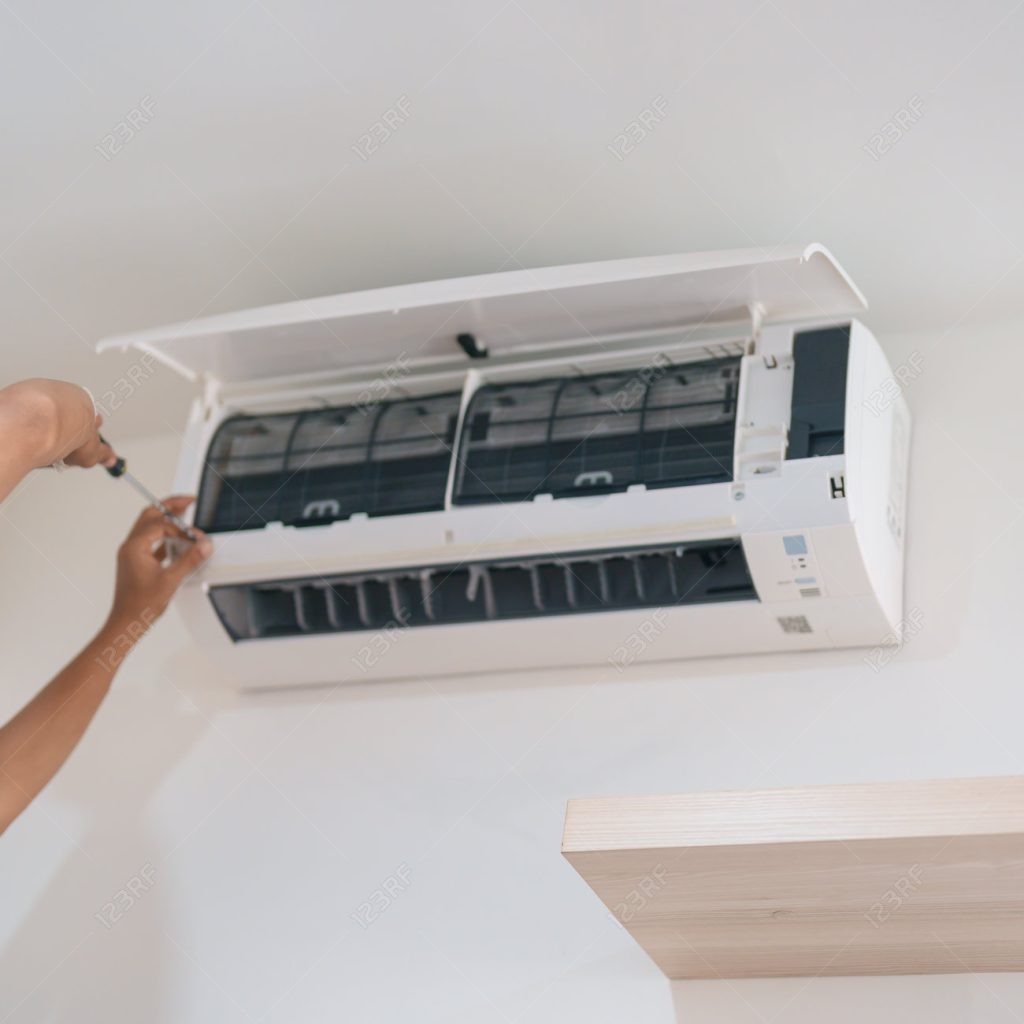
Sometimes, a basic pre-season check will reveal a problem that requires professional attention. Knowing the warning signs can help you arrange repairs before the wet season is in full swing.
Weak Cooling Performance
If your air conditioner struggles to reach the set temperature, runs constantly, or cycles on and off frequently, there may be an underlying issue. Possible causes can include low refrigerant or worn components, which should be assessed by a qualified technician.
Recurring Water Leaks Or Ice Formation
Pooling water indoors or ice forming on the evaporator coil can indicate drainage problems or refrigerant-related issues. These problems should be inspected and repaired promptly rather than allowing the system to continue operating under abnormal conditions.
Persistent Odours Or Unusual Noises
Musty, burning, or chemical smells can indicate issues such as microbial build-up, mechanical problems, or electrical faults. Humming, rattling, or grinding noises can also indicate that internal components require inspection.
Error Codes And Electrical Warning Signs
Modern air conditioning systems may display error codes when a fault occurs. A system that repeatedly trips a circuit breaker can also indicate an electrical problem. These warning signs should be assessed by a qualified technician rather than ignored.
Should You Book A Service, Hydro Chemical Clean Or Repair?
The right type of air conditioning maintenance depends on the condition of your system and the problems you are experiencing.
Routine servicing can include filter cleaning or replacement, refrigerant checks, and electrical inspections. Regular maintenance helps keep the system operating efficiently and can reduce the risk of unexpected breakdowns.
A hydro chemical clean may be appropriate when there are stubborn odours, reduced airflow, or significant internal grime. This type of cleaning provides a more thorough clean of internal components than basic filter maintenance.
If your system is displaying error codes, experiencing recurring leaks, or showing signs of an electrical fault, detailed fault diagnosis and repair may be required. Chillin NT technicians can assess the system, identify the underlying issue, and recommend the appropriate solution.
Planning Air Conditioning Maintenance For Different Properties
Air conditioning maintenance may require additional planning for rental properties, apartments, multi-unit buildings, and commercial premises. Landlords, property managers, tenants, and businesses may need to coordinate access and servicing times to minimise disruption.
Keeping accurate maintenance records is also useful. Record when the system was serviced, cleaned, or repaired and make sure access arrangements are organised before the technician arrives. Regular inspections can help reduce the risk of unexpected air conditioning failures during periods of heavy use.
Get Your Air Conditioner Ready For Darwin’s Wet Season
Preparing your air conditioner before Darwin’s wet season gives you an opportunity to identify potential problems before your system is working at its hardest. Cleaning filters, checking drainage, clearing the outdoor unit, reviewing your maintenance history, and testing your cooling performance are all useful steps.
If your system shows signs of poor performance, unusual smells, water leaks, ice formation, electrical problems, or persistent noises, professional attention may be needed.
Book your pre-wet-season air conditioning service, hydro chemical cleaning, or fault diagnosis with Chillin NT. Our local experience helps keep air conditioning systems running smoothly through Darwin’s heat, humidity, and wet season.
Leave a Reply